Google Ads vs. Facebook Ads: Which Is Better for Your Business?

When businesses want to reach more customers online, two of the most popular advertising platforms are Google Ads and Facebook Ads. Both can help businesses increase visibility, generate leads, drive website traffic, and increase sales—but they work in very different ways.
Choosing the right platform depends on your business goals, target audience, budget, and the type of product or service you offer.
In this guide, we will compare Google Ads and Facebook Ads to help you understand how each platform works and which one may be the better choice for your business.
New to digital marketing? Start with our complete beginner's guide to digital marketing to understand the fundamentals before exploring paid advertising.

Google Ads and Facebook Ads comparison for digital marketing
What Are Google Ads?
Google Ads is an online advertising platform that allows businesses to display advertisements across Google's network.
One of its biggest advantages is that businesses can reach people who are already searching for specific products, services, or information.
For example, if someone searches for "best car dealership in Vancouver," a business running a relevant Google Search campaign may appear at the top of the search results.
This makes Google Ads particularly effective for businesses that want to reach customers who already have a specific need or are actively looking for a solution.
Benefits of Google Ads
Reaches people actively searching for products or services
Can generate highly targeted traffic
Provides measurable campaign performance
Supports different advertising formats
Can help businesses generate leads and sales quickly
Allows advertisers to control budgets and targeting

Google Search and Online Advertising for Digital Marketing
What Are Facebook Ads?
Facebook Ads are paid advertisements delivered through Meta's advertising ecosystem, including Facebook and other Meta platforms.
Unlike Google Ads, Facebook advertising is generally based more on audience targeting and interests than on what someone is actively searching for.
For example, a business selling fitness products could target people based on interests, demographics, online behavior, and other audience characteristics.
Facebook Ads can therefore be particularly useful for creating awareness, reaching new audiences, promoting products, and building interest before someone actively searches for the product.
Benefits of Facebook Ads
Powerful audience targeting
Excellent for building brand awareness
Supports visual advertising formats
Useful for reaching new potential customers
Can promote products and services to specific audience segments
Suitable for remarketing and customer engagement
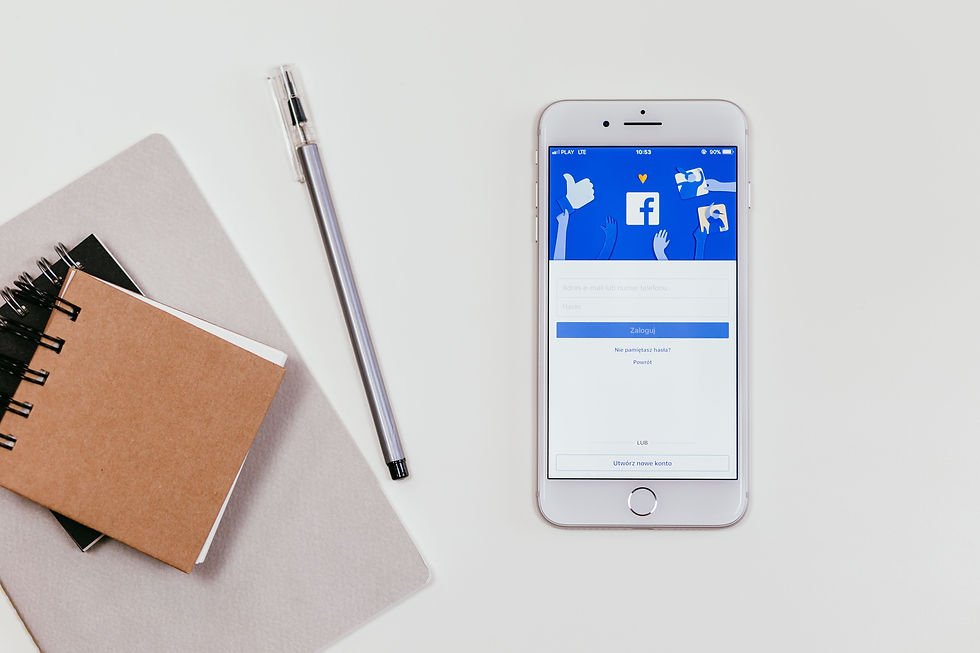
Facebook Advertising for Social Media Marketing and Audience Engagement
Google Ads vs. Facebook Ads: The Main Difference
The biggest difference is user intent.
Google Ads often captures existing demand. Someone searches for something because they already have a need or interest.
Facebook Ads can help create or influence demand. Someone may not be looking for your product at that moment, but an engaging advertisement can introduce them to your business.
Think of it this way:
Google Ads: "I'm looking for this."
Facebook Ads: "I didn't know I wanted this."
Both approaches can be valuable depending on your marketing strategy.
Which Platform Is Better for Your Business?
There isn't one platform that is automatically better for every business.
Google Ads May Be Better If:
Customers actively search for your products or services
You want to generate leads quickly
Your business provides a specific service
You want to capture high-intent customers
You have strong keyword opportunities
Your goal is direct conversions
For example, businesses such as plumbers, lawyers, auto dealerships, repair companies, and professional service providers may benefit significantly from search advertising because potential customers often search for these services when they need them.
Facebook Ads May Be Better If:
You want to increase brand awareness
Your product is visually appealing
You want to reach a specific audience
You are launching a new product
You want to build interest before customers search
You have engaging images or videos
Facebook advertising can be particularly useful for fashion brands, restaurants, beauty businesses, e-commerce companies, creators, and lifestyle brands.
Google Ads vs. Facebook Ads: Cost
Advertising costs vary depending on factors such as industry, competition, audience, location, campaign objective, ad quality, and bidding strategy.
Instead of focusing only on which platform has the cheaper click, businesses should focus on return on investment (ROI).
A campaign that generates inexpensive clicks but no customers may be less valuable than a campaign with more expensive clicks that consistently produces qualified leads and sales.
The important question is not:
"Which platform is cheaper?"
It is:
"Which platform generates the best results for my business at a sustainable cost?"
Can You Use Google Ads and Facebook Ads Together?
Yes. In many cases, using both platforms can create a stronger digital marketing strategy.
For example, you could use Facebook Ads to introduce your brand to potential customers and generate awareness. Later, those customers may search for your business or product on Google.
You can also use remarketing strategies to reconnect with people who previously visited your website or interacted with your content.
Using both platforms allows businesses to reach customers at different stages of the buying journey.
Before investing heavily in online advertising, make sure your business has a professional website designed to turn visitors into customers. Learn why every business needs a professional website.
How to Choose the Right Advertising Platform
Before spending money on advertising, consider these five questions:
1. What Is Your Goal?
Are you trying to generate leads, increase sales, build awareness, promote a product, or drive website traffic?
Your objective should influence the platform and campaign type you choose.
2. Where Does Your Audience Spend Time?
Understanding your target audience is essential.
Research who your customers are, what they need, what they search for, and what type of content they engage with online.
3. Does Your Business Have Search Demand?
If people regularly search for your products or services, Google Ads may be a strong option.
If you are introducing something new that people may not know to search for, Facebook Ads may help you create awareness.
4. What Type of Content Do You Have?
If your business has strong photography, video, product demonstrations, or creative visual content, Facebook Ads can provide excellent opportunities.
If your business depends heavily on search intent and specific keywords, Google Ads may be more suitable.
5. Can You Track Results?
Whichever platform you use, tracking is essential.
Your website should be properly configured with analytics and conversion tracking so you can understand where your customers are coming from and which campaigns are producing results.
Paid advertising is only one part of a successful online strategy. Learn how SEO can help your website attract organic traffic without relying entirely on paid advertising.
The Best Strategy May Be a Combination
For many businesses, the best solution isn't choosing between Google Ads and Facebook Ads.
It's using each platform for what it does best.
Google Ads can help capture existing demand.
Facebook Ads can help create awareness and reach new audiences.
Together, they can support different stages of the customer journey—from discovering your brand to visiting your website and eventually becoming a customer.
Final Thoughts
Google Ads and Facebook Ads are both powerful digital advertising platforms, but they serve different purposes.
Google Ads is often ideal for reaching people who are actively searching for a product or service, while Facebook Ads can be highly effective for audience discovery, brand awareness, visual promotion, and generating interest.
The right choice depends on your business goals, audience, budget, and marketing strategy.
Rather than simply choosing the platform with the lowest advertising cost, focus on the platform that can deliver the right audience, meaningful engagement, qualified leads, and measurable business results.
Ready to Improve Your Online Marketing?
A successful digital marketing strategy requires more than simply running advertisements. Your website, SEO, analytics, content, and advertising campaigns should work together to turn online visitors into customers.
If you're ready to build a stronger online presence and attract more potential customers, let's create a digital marketing strategy designed around your business goals.



Comments